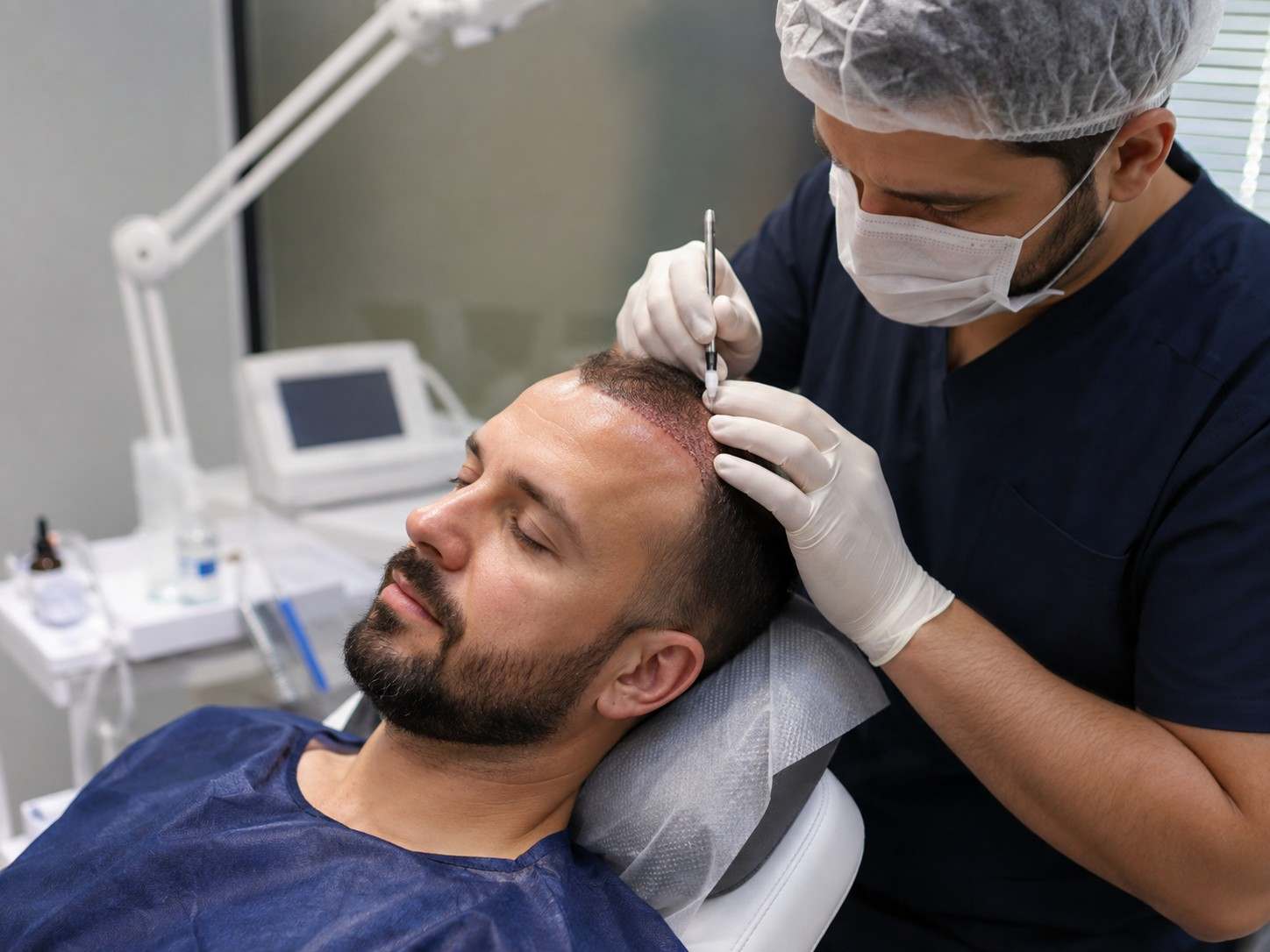
For men with thinning hair, the best hair restoration options for men can help restore fuller, natural-looking hair. The right choice depends on your hair loss, donor hair, goals, and preferred recovery time.
Hair Transplant New Jersey offers advanced options designed around each patient’s needs. Our team can assess your hair loss and help you choose a suitable method for lasting, natural-looking results.
Popular Hair Restoration Techniques for Men
Hair surgery can move healthy hair from one part of the scalp to another. The best hair restoration options for men use different ways to collect and place these healthy hair roots. Each method has its own steps, healing time, and type of scar.
Follicular Unit Extraction (FUE)
A FUE hair transplant in New Jersey removes healthy hair roots one at a time from the donor area. The doctor places each root into a thin or bald area. FUE leaves small marks instead of one long line scar. This can make it a good choice for men who like short hair. Healing is often quick, but the right choice still depends on your hair loss and donor hair.
- Hair removal: The doctor takes out one hair root at a time.
- Scarring: FUE does not leave one long line scar.
- Small marks: Tiny marks may remain in the donor area.
- Recovery: Most people can return to normal tasks within a short time.
- Results: Careful placement can help the new hair look natural.
No-Shave FUE
No-Shave FUE uses the same basic method as FUE, but it may require little or no visible shaving. This makes treatment less easy to notice. The doctor removes single hair roots and places them in areas that need more hair. It may suit men with enough healthy donor hair who want a more private treatment and a simple recovery.
Follicular Unit Transplantation (FUT)
A FUT hair transplant in New Jersey uses a different way to collect donor hair. The doctor removes a thin strip of skin with healthy hair. The strip is then split into small groups of hair roots for placement. FUT can provide many grafts in one session, so it may help some men with more hair loss. It leaves a line scar, which longer hair can often cover.
- Strip removal: The doctor takes a thin strip from the donor area.
- Grafts: The strip provides many small groups of healthy hair roots.
- Scarring: FUT leaves a thin line scar in the donor area.
- Recovery: The donor area needs time to heal after surgery.
- Candidates: FUT may suit men who need many grafts for larger areas.
How Does FUE Technology Affect the Procedure?
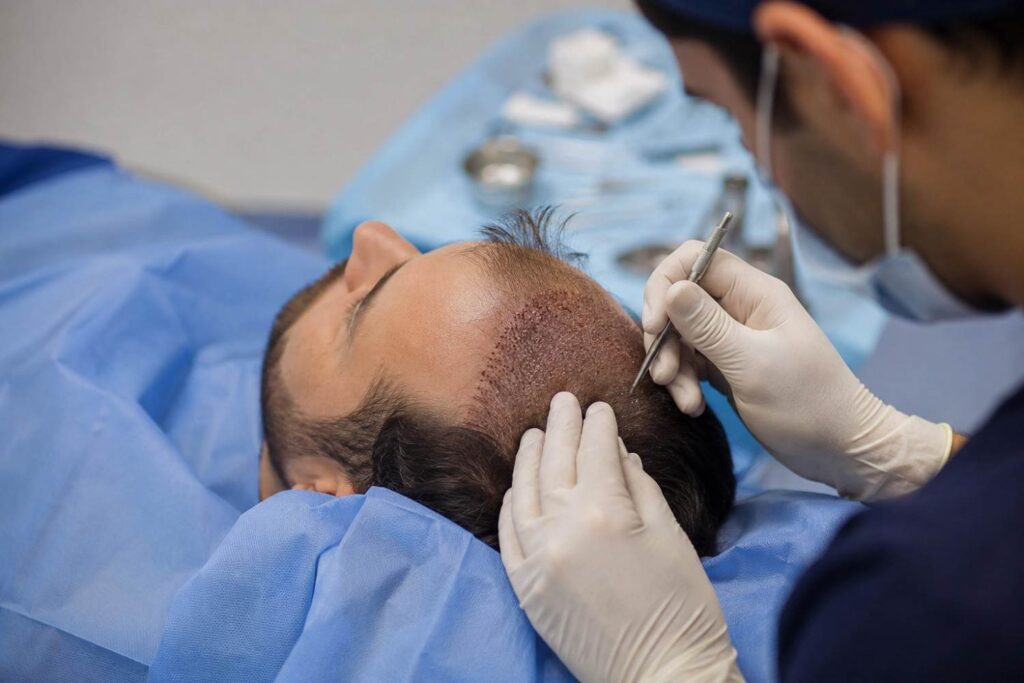
FUE removes healthy hair roots one at a time from the donor area. Doctors can use different tools to help with this process. These tools may improve control, protect grafts, and make each step more precise. The best hair restoration options for men depend on hair loss, donor hair, and personal needs.
ATERA Technology
The ATERA FUE system helps the doctor control the size and depth of each extraction. It also uses a sterile flush to help keep grafts moist during removal. This can help protect healthy hair roots and support smooth graft handling.
WAW Technology
The WAW FUE System gives the doctor more control when removing hair roots. Its tools can help with careful extraction and may lower stress on each graft. This system is one of the advanced hair restoration options for men that a doctor may consider based on their needs.
Cole Technology
The Cole FUE System gives doctors another way to remove single hair roots from the donor area. It can support careful and precise extraction. The doctor can choose this system when it fits the patient’s hair type, donor area, and treatment plan.
Ellis Technology
The Ellis FUE System is another tool doctors can use during FUE. It helps support the careful removal and handling of healthy hair roots. Each patient has different needs, so the doctor will choose the system that best fits the treatment plan.
Which Option Gives Natural-Looking Results?
Hairline and Graft Placement
The best hair restoration options for men can create a natural look when the doctor plans each step with care. The hairline should match the face, age, and natural hair pattern. The doctor must also place each graft in the right spot. Good spacing helps the new hair blend with the hair that is still growing.
Hair Direction and Donor Quality
Each new hair should grow at a natural angle and in the right direction. The quality of donor hair also matters because strong, healthy grafts can support better growth. Careful graft spread can help add even coverage and keep the final look from seeming too thin or uneven.
Surgeon Skill and Planning
An experienced surgeon plays a key role in creating natural-looking results. Dr. Dominick Golio has more than 20 years of cosmetic surgery experience and training in FUE and FUT methods. His hands-on approach helps guide the treatment plan based on each patient’s hair loss, donor hair, and goals.
How Do You Choose the Right Option for Your Hair Loss?
Check Your Hair Loss
Start by looking at where and how much hair you have lost. Male pattern baldness often causes a receding hairline or thinning at the top of the head. Your hair loss pattern can help your doctor decide which treatment may work for you. The amount of hair you have lost also matters because some treatments need enough healthy donor hair.
Think About Your Goals
The best hair restoration options for men depend on personal needs and goals. Check how much healthy donor hair you have and think about the hairstyle you want. You should also consider scars and healing time. These details can help you compare your choices and set clear goals for your results.
Get a Scalp Check
A doctor should check your scalp before you choose a treatment. The doctor can look at your donor hair, hair loss, and scalp health. You can also discuss how many grafts you may need and what results you can expect. A full check helps your doctor create a treatment plan that fits your needs, hair loss, and goals.
What Should You Look for in a Hair Restoration Provider?
Check Training and Experience
Choose a provider with strong medical training and real surgery experience. The doctor should know how to perform both FUE and FUT procedures. This skill can help the doctor find the best hair restoration options for men based on each person’s hair loss, donor hair, and goals.
Review Technology and Results
Look at the tools and methods the provider uses. Modern FUE systems can help doctors remove and handle hair grafts with care. You should also review before-and-after photos to see past results. These photos can help you understand what the provider may be able to achieve.
Ask About Personal Care
A good provider should explain each treatment in simple terms. The treatment plan should fit your hair loss, needs, and goals instead of using one plan for everyone. You can learn more about our experience, technology, clear pricing, and hands-on care on our why choose us page.
Check Follow-Up Care
Care should continue after the procedure. Ask how the provider checks healing and hair growth after surgery. Clear follow-up steps can help you know what to expect as your scalp heals and your new hair starts to grow.
Ready to Find the Right Hair Restoration Option?
Hair Transplant New Jersey can help you explore the best hair restoration options for men based on your hair loss and goals. We can review your needs and explain your choices in simple terms. Contact us to schedule a consultation and learn which option may be right for you.
FAQs
What are the best hair restoration options for men?
The best option depends on your hair loss, donor hair, goals, and scalp condition. Common choices include FUE, No-Shave FUE, and FUT. A doctor can check your scalp and help you choose a method that fits your needs.
What is the main difference between FUE and FUT?
FUE removes hair roots one at a time from the donor area. FUT removes a thin strip of skin that contains healthy hair roots. FUE leaves small marks, while FUT can leave a thin line scar.
Does hair restoration surgery look natural?
Hair restoration can look natural when a skilled doctor plans the hairline and places each graft with care. Hair angle, direction, spacing, and donor hair quality can also affect how the final result looks.
How do I know if I am a good candidate?
A doctor will check your hair loss, donor hair, scalp, and goals. You may need enough healthy donor hair for surgery. Your health, type of hair loss, and past treatments can also help decide if a procedure is right for you.
How long does it take to recover from hair restoration surgery?
Recovery time can vary based on the procedure and your needs. FUE often has a shorter healing period because it removes single hair roots. FUT needs more healing at the donor area because the doctor removes a strip of skin.