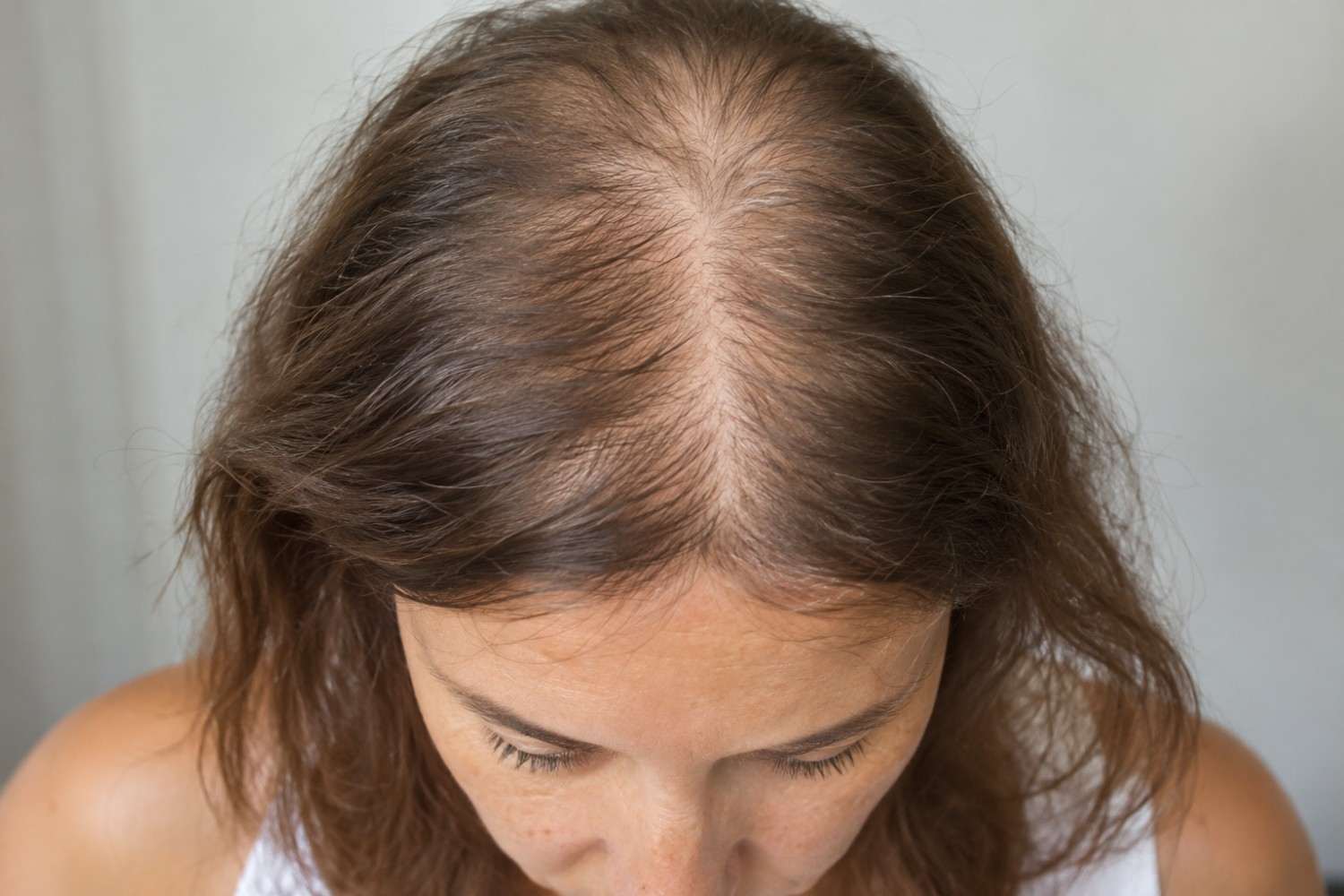
Changes linked to female pattern hair loss and shedding often include slow thinning at the top and crown of the scalp. You may first see a wider part or less hair volume. Some women also notice more loose strands when they wash or brush their hair. Pattern hair loss and excess shedding can occur together, but they may have different causes. A scalp exam can help find the cause and shape a care plan.
Hair Transplant New Jersey offers female hair restoration services for women with thinning hair. An assessment can help you learn which options may suit your needs. Your care plan should reflect your hair loss pattern, scalp health, and donor hair. Treatment choices and results can vary.
Understanding Hair Thinning and Shedding
What Is Female Pattern Hair Loss?
Female pattern hair loss makes hair thin slowly across the top and crown of your head. The crown is near the back of the top of your scalp. Hair roots begin to grow shorter, finer strands, so your hair looks less full. Your part may widen over time. These changes can start small and become more clear as thinning progresses.
What Is Hair Shedding?
Your scalp sheds old hairs as part of its growth cycle. Each hair grows, rests, and falls out. A new hair can then grow in its place. You may see loose strands on your brush, pillow, or shower floor. This does not always mean you have a hair loss problem. The amount you notice can change between washes and brushing.
Can Both Happen Together?
Some women notice female pattern hair loss and shedding at the same time. Their hair may thin slowly while more strands fall out. Stress, illness, or other health changes can add to shedding. Looks alone cannot tell you the cause, though. A doctor can check your scalp, ask about your health, and help you choose care that fits your needs.
Normal Shedding vs. Telogen Effluvium vs. Pattern Hair Loss
| Type | Common Change | Usual Pattern | What Readers Should Know |
| Normal shedding | Loose hairs fall out | Across the scalp | Daily amounts vary |
| Telogen effluvium | More hair falls out | Often widespread | Shedding may follow a trigger |
| Female pattern hair loss | Hair slowly thins | Top and crown | Thinning may progress without care |
Normal Shedding
Losing about 50 to 100 hairs daily is common. Wash routines affect how many loose strands you see. Counts alone cannot confirm female pattern hair loss and shedding.
Extra Shedding
Stress, illness, or childbirth can trigger more shedding. Hair may fall out months later, so the cause may seem unclear.
Signs of Thinning Hair and Extra Shedding
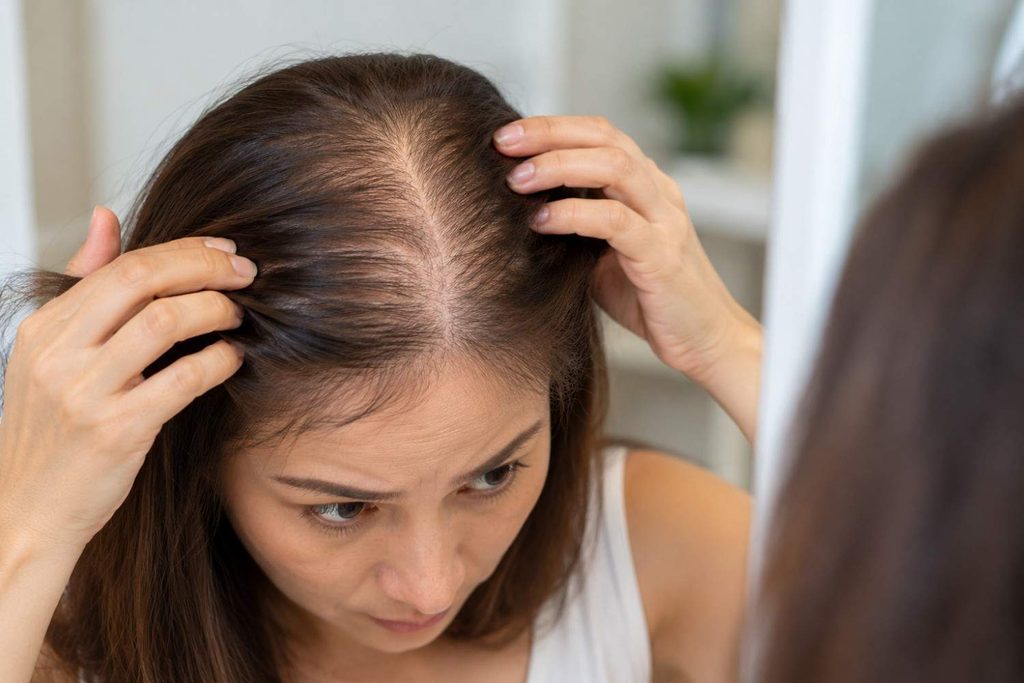
You may notice female pattern hair loss and shedding through small changes in how your hair looks and feels. Watch for:
- A wider center part: More scalp shows along the line where you part your hair.
- More scalp near the crown: Hair at the top of your head looks less full.
- Less ponytail volume: Your ponytail feels smaller, or you wrap your hair tie more times.
- Thinner strands: Some hairs feel finer, and your hair slowly loses its usual thickness.
- More loose hairs: You see more strands during washing or brushing than you usually do.
- Lasting thinning: Your hair stays less full, or the thinning grows more clear over time.
Broken hairs differ from hairs that shed at the root. Breakage leaves short pieces when a strand snaps. Shedding releases a whole strand from its follicle. Both can affect how full your hair looks.
Ask a doctor to check sudden, patchy, painful, or unexplained hair changes. These signs can have other causes. A scalp exam can help you find the cause and choose suitable care.
Why Thinning and Increased Shedding Can Occur Together
Family History and Pattern Thinning
Genes can raise your risk of pattern thinning, which makes hair grow finer and shorter over time. You can develop it without a known family history. Women with female pattern hair loss and shedding may have inherited thinning alongside another cause of shedding.
Hormonal Changes
Hormone changes during menopause can affect hair growth. Conditions such as PCOS may also contribute to hair loss in women. Many women with pattern thinning have normal hormone levels, though. Thinning alone does not prove you have PCOS or excess DHT.
Stress, Illness, and Childbirth
Stress, illness, or childbirth can push more hairs into a resting stage. Shedding may start months later and make existing thinning more noticeable. A doctor can assess female pattern hair loss and shedding to check for overlapping causes.
Diet, Thyroid Issues, and Medicines
Low iron, strict diets, thyroid problems, and some medicines can cause extra shedding. These issues do not explain every case. A doctor can check possible causes and suggest tests when needed. Speak with your prescriber before changing medicines.
Treatment Options for Thinning and Excess Shedding
Topical Minoxidil
Doctors may suggest Minoxidil (Rogaine) for hair loss to help with pattern thinning. You apply it to your scalp and keep using it to maintain benefits. It can cause scalp irritation or brief extra shedding when treatment starts. Ask about safety during pregnancy or breastfeeding before use. Results take time.
Prescription Medicines
Doctors may consider oral minoxidil or spironolactone for female pattern hair loss and shedding when suitable. These uses are off-label, meaning FDA approval does not cover this purpose. Both need medical review because they can affect blood pressure. Spironolactone also affects potassium. Pregnancy and breastfeeding require special safety advice.
Treating an Underlying Cause
Care for female pattern hair loss and shedding depends on the cause. A doctor may treat low iron, a thyroid problem, or another shedding trigger. Supplements help only when you need them, so avoid taking them without advice. Speak with your prescriber before changing medicines that might affect your hair.
Other Treatment Options
Some doctors offer PRP for hair loss, which uses platelets from your blood through scalp injections. Low-level light therapy uses light devices that may support hair growth. Studies show possible benefits, but evidence and results vary. A doctor should assess suitability. These general options are not guaranteed cures for thinning.
Can Women With Increased Shedding Get a Hair Transplant?
Check the Cause First
A doctor should assess female pattern hair loss and shedding before recommending surgery. Active shedding may need treatment first. Some causes improve with medical care, so surgery may not be needed. Not every woman with thinning hair qualifies for a transplant. A clear diagnosis helps guide the next step.
Understand the FUE Method
An FUE hair transplant in New Jersey removes small groups of hair follicles one at a time. The surgeon moves them to thin areas. Follicles are small structures in your skin that grow hair. Surgery moves existing follicles rather than creating new ones. FUE can leave small scars where the surgeon removes follicles.
Understand the FUT Method
A FUT hair transplant in New Jersey removes a narrow strip of scalp containing hair follicles. The surgeon separates those follicles and places them in thin areas. FUT leaves a line scar. Both methods need healthy donor hair. Widespread donor thinning can limit suitability. Existing hair may keep thinning, though, and need ongoing care. Results and healing vary based on your scalp, health, and procedure.
Explore Care for Thinning Hair in New Jersey
A Personal Scalp Assessment
Hair Transplant New Jersey offers female hair restoration New Jersey. Dr. Dominick Golio examines your scalp and reviews your hair concerns. An assessment of female pattern hair loss and shedding helps us explore possible causes and suitable care. We review where your hair has thinned, when shedding began, and changes in your health. These details help guide the next steps for your care.
Options That Fit Your Needs
The right approach depends on your diagnosis and the health of your donor hair. Donor hair comes from areas that can supply follicles for a transplant. Surgery may suit some women, while others need care for active shedding first. We explain suitable options so you can ask questions and understand what each approach involves. Visit our why choose us page to learn more about our team and approach. Your assessment helps us discuss realistic goals, possible risks, and what to expect.
Take the First Step Toward a Clear Hair Care Plan
Hair Transplant New Jersey offers a place to discuss your concerns about thinning hair and extra shedding. We can assess female pattern hair loss and shedding and explain care options that may suit your needs. Your scalp health, hair loss pattern, and donor hair help guide the next steps.
Contact us to ask questions and discuss suitable care with our team. We will help you understand your options and set realistic goals. Treatment choices and results vary, so a personal assessment matters. You can take time to review the information and decide which approach feels right for you.
FAQs
Can female pattern hair loss cause more shedding?
Yes, female pattern hair loss can involve more shedding as hair growth changes. Some women also have telogen effluvium, which causes extra shedding after a trigger. Stress, illness, or childbirth may play a role. A doctor can check whether one or both conditions affect your hair. More loose strands alone do not show which condition you have or its cause.
How can I tell shedding from pattern thinning?
Shedding often means more loose strands on your brush or during washing. Pattern thinning usually causes a wider part or less fullness over time. Both can happen together, so these signs may overlap. A scalp assessment helps a doctor check hair thickness, growth patterns, and your health history. Counting fallen hairs alone cannot confirm the cause of your hair changes.
Can hair grow back after excessive shedding?
Hair may grow back when a short-term shedding trigger ends or receives treatment. Recovery depends on the cause, scalp health, and other hair loss conditions. Growth takes time, and some people do not regain all their past fullness. A doctor can explain what to expect after checking your scalp. Follow-up visits can help track changes and guide your care plan.
Does minoxidil cause shedding when treatment starts?
Minoxidil can cause a short period of extra shedding when you first use it. This can happen as hairs shift through the growth cycle. Not everyone notices this change. Speak with your clinician if shedding seems severe, lasts longer than expected, or comes with scalp irritation. Your clinician can assess the change and advise whether your treatment plan needs adjustment.
Can a hair transplant help women with thinning hair?
A hair transplant may help some women, but suitability depends on the diagnosis and healthy donor hair. A surgeon moves existing follicles into thin areas. Widespread thinning in the donor area may limit this option. Active shedding may need care first. An assessment helps explain possible benefits, risks, and ongoing treatment needs. Results vary, and existing hair may keep thinning.